
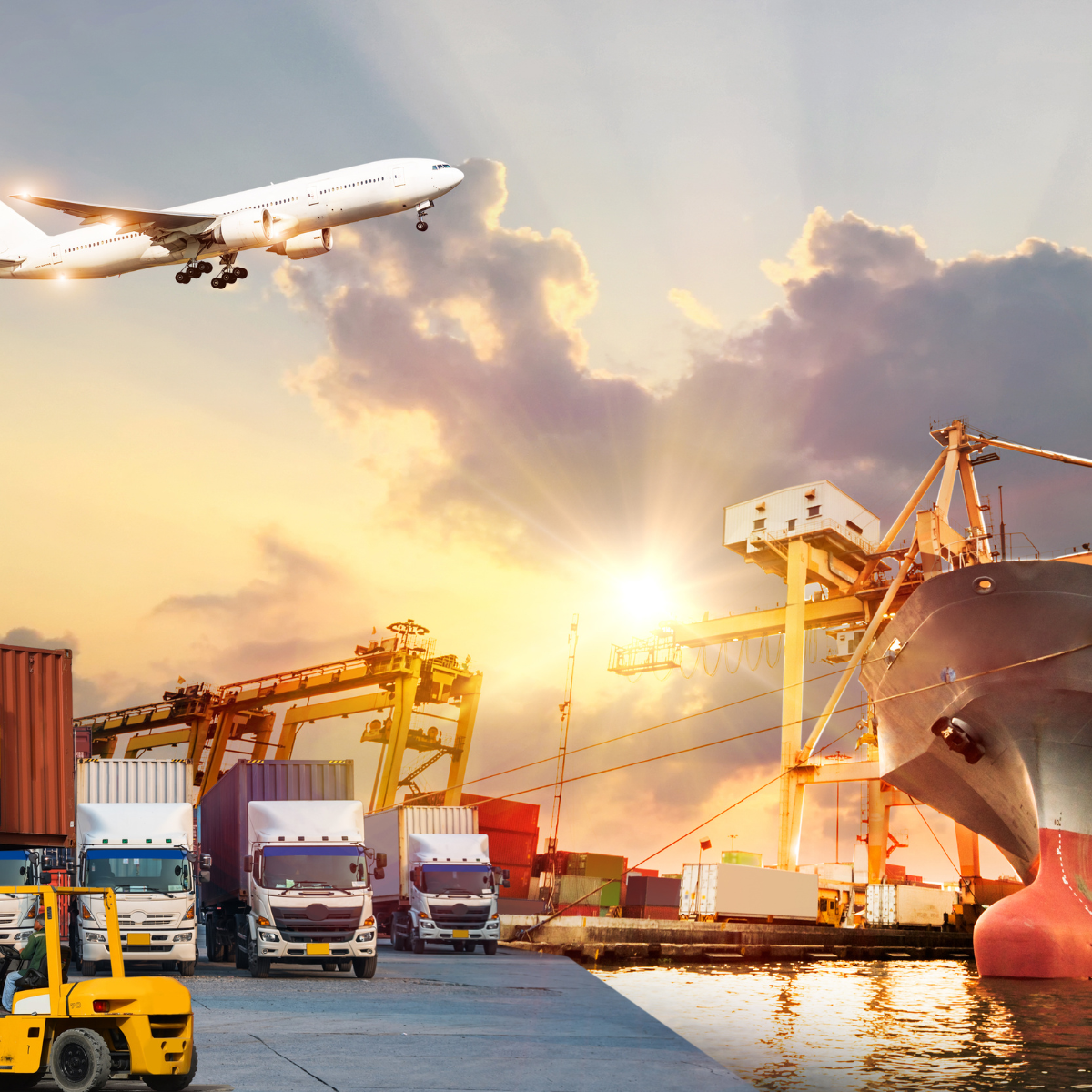
In 2026, global logistics has become increasingly complex, shaped by ongoing geopolitical tensions, regional conflicts, and shifting trade dynamics. Supply chains that once relied on predictable routes and stable conditions are now facing constant disruptions, forcing companies to rethink how goods are moved across borders.
One of the most significant challenges is route instability. Key shipping corridors are frequently affected by security risks, restrictions, or delays, leading to longer transit times and increased transportation costs. Companies must continuously adapt, identifying alternative routes while balancing efficiency and safety.
Another critical issue is regulatory uncertainty. Sanctions, trade restrictions, and rapidly changing compliance requirements demand constant monitoring. Businesses engaged in international trade must ensure that every shipment adheres to evolving regulations, as non-compliance can result in severe financial and legal consequences.
Cost volatility is also a major concern. Fluctuations in fuel prices, insurance premiums, and freight rates make it difficult to forecast expenses accurately. This unpredictability directly impacts pricing strategies and profit margins, requiring a more dynamic and informed approach to financial planning.
In addition, supply chain fragmentation has intensified. Companies are increasingly diversifying suppliers and distribution networks to reduce risk, but this also introduces greater operational complexity. Coordinating multiple partners across different regions requires precision, experience, and advanced planning.
In this environment, professionalism is no longer optional—it is essential. Skilled logistics professionals bring the expertise needed to navigate uncertainty, manage risks, and maintain continuity. Their ability to anticipate disruptions, optimize routes, and ensure compliance provides businesses with a crucial competitive advantage.
Ultimately, success in 2026 depends on more than infrastructure or technology. It depends on people—professionals capable of transforming complexity into opportunity. In a world where logistics is constantly challenged by external forces, expertise is the key to resilience and growth.