
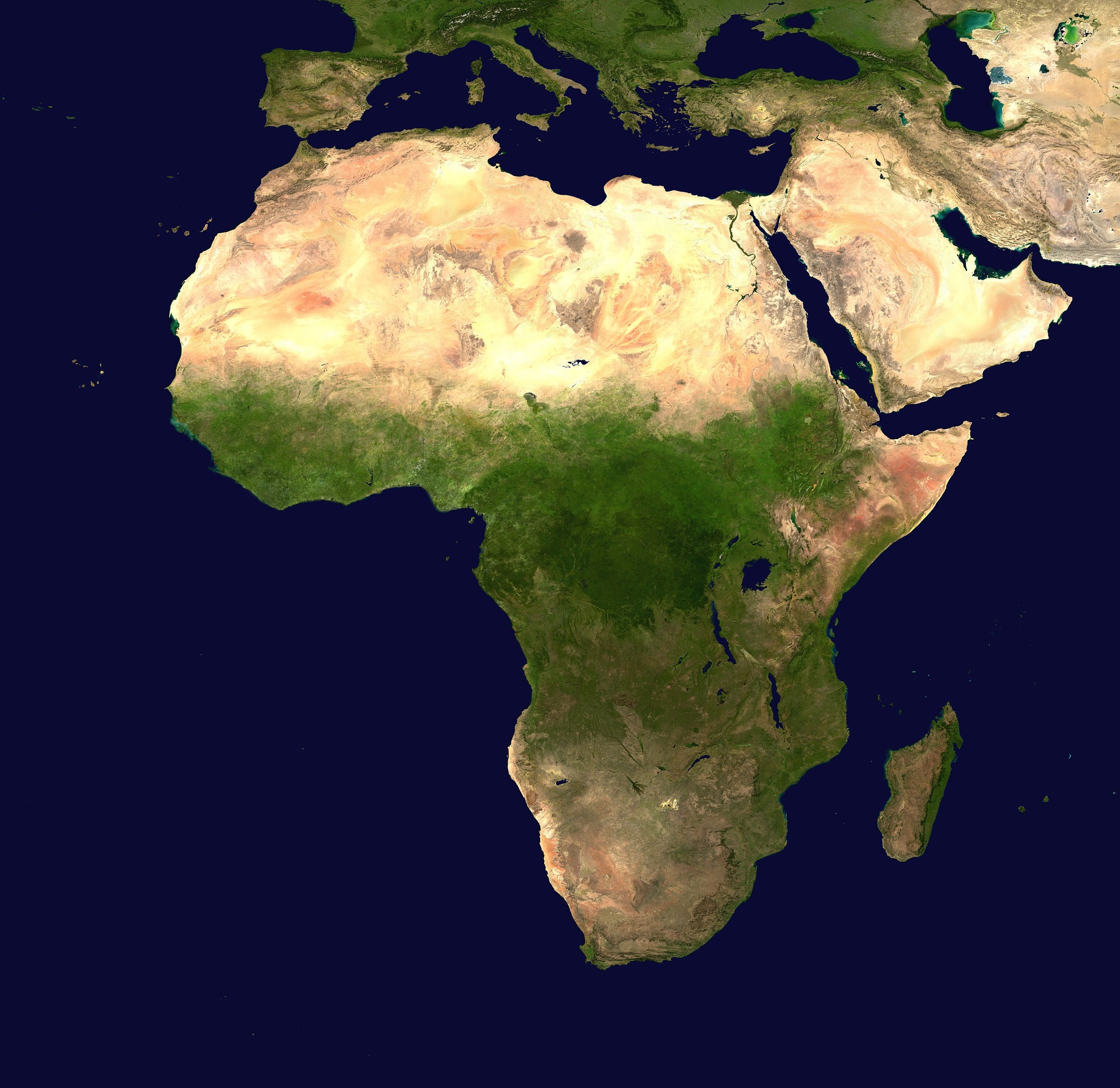
In an increasingly interconnected world, few regions hold as much strategic importance as Africa. Often referred to as the “continent of resources,” Africa possesses an extraordinary concentration of raw materials that are essential for modern industry, technological innovation, energy production, and global economic growth. As nations compete to secure critical resources for the future, Africa’s role has become more central than ever.
A Continent Rich in Strategic Resources
Africa is home to some of the world’s largest reserves of minerals, metals, and natural resources. The continent supplies a significant share of global demand for cobalt, manganese, platinum, chromium, diamonds, gold, copper, lithium, rare earth elements, and uranium. Many of these materials are indispensable for manufacturing electric vehicles, renewable energy systems, batteries, semiconductors, telecommunications infrastructure, and advanced defense technologies.
The Democratic Republic of Congo alone produces the majority of the world’s cobalt, a critical component in lithium-ion batteries. South Africa remains a global leader in platinum group metals, while countries such as Zambia, Namibia, Guinea, and Botswana continue to play vital roles in supplying key industrial materials.
The Green Transition Depends on Africa
The global transition toward clean energy has dramatically increased the strategic value of African resources. Electric vehicles, solar panels, wind turbines, and energy storage systems all require substantial quantities of minerals that are abundantly available across the continent.
Without Africa’s mineral wealth, achieving international climate goals would be significantly more difficult. Governments and corporations worldwide increasingly recognize that the success of the green economy depends not only on technological innovation but also on secure access to African raw materials.
This growing dependence has transformed Africa into a critical partner for the world’s largest economies, including the United States, China, the European Union, India, and emerging Asian markets.
A Geopolitical Battleground
Africa’s resources have also elevated its geopolitical importance. Major global powers are investing heavily in infrastructure, mining operations, transportation networks, and trade agreements throughout the continent.
China has established extensive partnerships across Africa through large-scale investments and development projects. Meanwhile, Western nations are seeking to diversify supply chains and reduce dependence on single-source suppliers by strengthening economic cooperation with African countries.
As a result, Africa has become a key arena where economic interests, geopolitical strategies, and resource security intersect.
Beyond Extraction: The Opportunity for Industrial Growth
For decades, many African nations exported raw materials with limited local processing, capturing only a fraction of the value generated by global supply chains. Today, however, there is growing momentum toward industrialization, local refining, manufacturing, and value-added production.
Governments across the continent are implementing policies designed to encourage domestic processing industries, create skilled employment, and retain greater economic benefits within their borders. If successfully developed, these initiatives could transform Africa from a supplier of raw materials into a major industrial and technological hub.
Why Africa Matters to the Entire World
Africa’s significance extends far beyond its borders. The continent’s resources influence global manufacturing, energy security, technological advancement, inflation, supply chain resilience, and economic stability.
From smartphones and electric vehicles to renewable energy infrastructure and aerospace technology, countless products used every day depend on materials sourced from Africa. Any disruption in supply can have immediate consequences for industries and economies around the world.
In many respects, Africa is not simply another resource-producing region—it is one of the pillars supporting the modern global economy.
Conclusion
As the world enters a new era defined by technological transformation, energy transition, and geopolitical competition, Africa’s strategic importance will continue to grow. The continent’s vast reserves of critical raw materials position it at the center of global economic development.
The future of clean energy, advanced manufacturing, and sustainable growth will depend significantly on how Africa’s resources are managed, developed, and integrated into international supply chains. Understanding Africa’s role is therefore essential for understanding the future direction of the global economy itself.